About Back Pressure Sustaining Valve
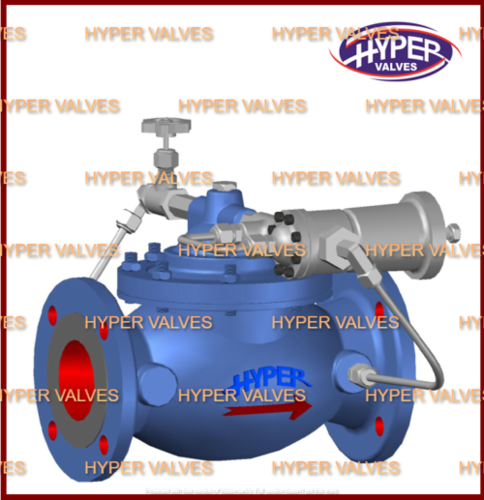
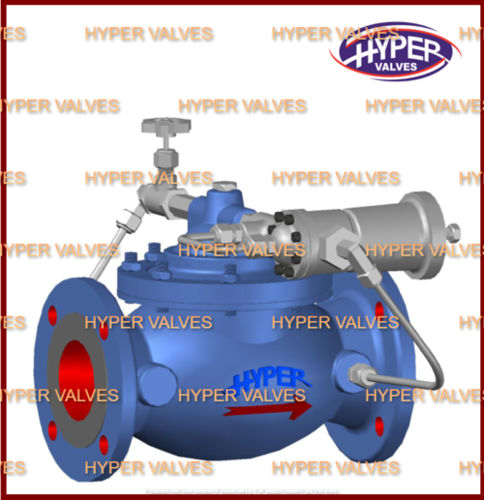
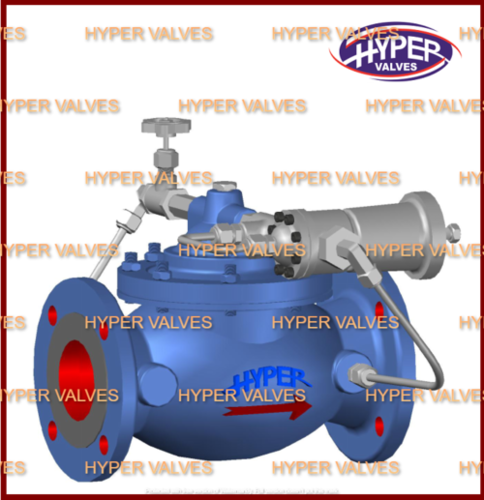
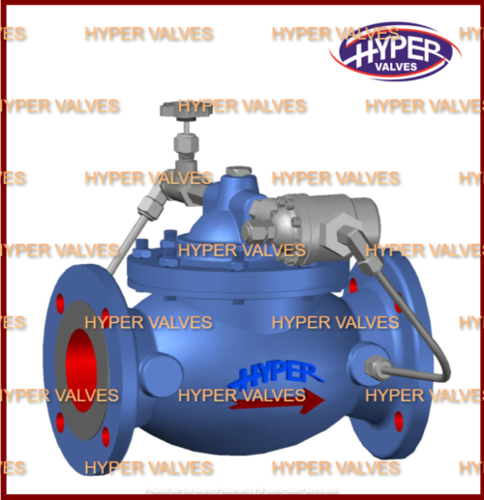
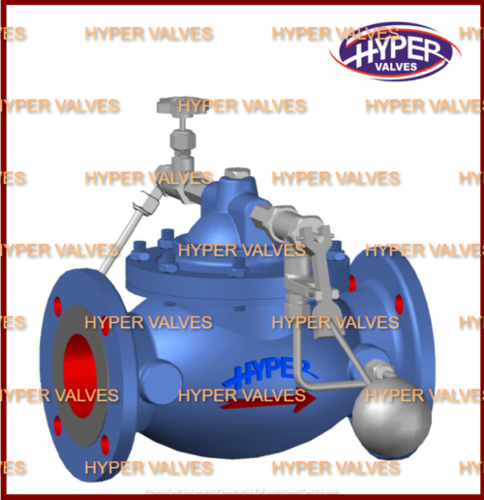
Back Pressure Sustaining Valve
- Design - Globe type, Pilot operated
- Valve Size - 1" to 12"
- Pressure class - 150#, 300#
- MOC - DI, WCB, CF8, CF8M (As per Application)
- Application - Water,
- End connection - Flange end
- Pressure - Max. 15 Kg/cm2
Advanced Pressure Control for Water SystemsOur back pressure sustaining valve optimizes water flow by maintaining consistent pressure, safeguarding system components, and preventing downstream pressure drops. Equipped with pilot operation and soft-seated sealing, these valves provide superior leak-tightness and durability for various water management scenarios.
Versatile Connection VarietiesThe flange type connection ensures secure and robust installation across a range of piping networks. Thanks to the full bore design and size options from 1" to 12", these valves easily integrate into existing and new systems without compromising flow efficiency.
FAQ's of Back Pressure Sustaining Valve:
Q: How does a back pressure sustaining valve operate in water systems?
A: A back pressure sustaining valve uses pilot operation to maintain a set upstream pressure in water pipelines. When system pressure falls below the set value, the valve closes slightly, ensuring sufficient pressure is sustained, protecting equipment, and maintaining consistent flow.
Q: What applications best suit this valve?
A: This valve is ideal for managing water pressure in municipal, industrial, or commercial systems where pressure control is essential, especially for pump protection, filter safety, and distribution line regulation.
Q: When should I consider using a soft-seated, pilot-operated valve for water pipelines?
A: You should use a soft-seated, pilot-operated valve when precise pressure control, leak-tight closure, and minimal maintenance are required for water applications operating at normal temperatures and medium pressures.
Q: Where can these valves be installed within a system?
A: These valves can be installed at critical junctions such as pump outlets, filter inlets, or pressure-sensitive distribution segments to uphold necessary upstream pressure and protect sensitive downstream components.
Q: What is the process for installing a flange-type back pressure sustaining valve?
A: Installation involves positioning the valve between flanges in the pipeline, aligning bolt holes, and securing them with appropriate fasteners. Follow manufacturer guidelines for torque and gasket selection to ensure a reliable seal.
Q: How do users benefit from using your back pressure sustaining valve?
A: Users benefit from stable water system operation, reduced risk of pressure surges, extended equipment life, and enhanced system efficiency-all supported by a rugged, low-maintenance design.






 Send Inquiry

 Send Inquiry


 Send Inquiry
 Send SMS
 English
 Spanish
 French
 German
 Italian
 Chinese (Simplified)
 Japanese
 Korean
 Arabic
 Portuguese