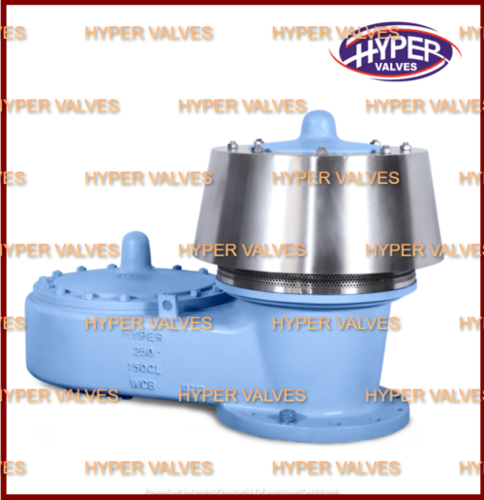
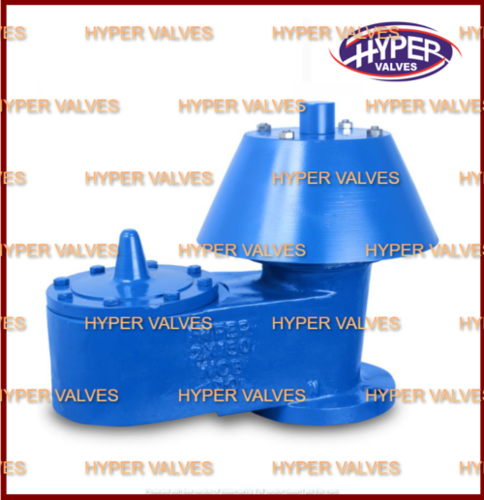
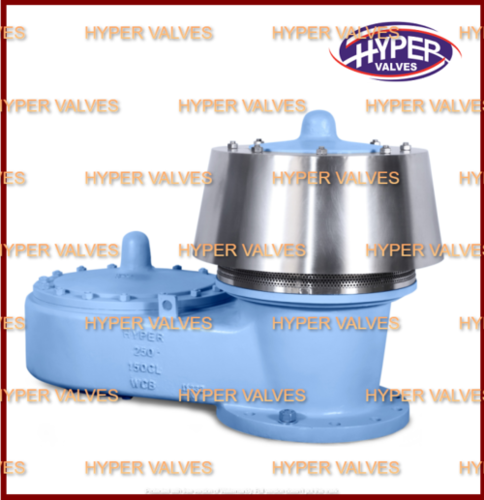
About Breather Valve
Breather Valve
- Design - Spring loaded / Weight loaded
- Size -1" to 12"
- Pressure rating - 150#
- End connection - Screwed end / Flange end
- Set pressure - 50 to 1000 mmwc
- Set vacuum - 50 to 1000 mmwc
- MOC - Carbon Steel / Stainless steel
Optimal Safety and ControlOur breather valves offer both safety and control functions, providing protection against excessive pressure or vacuum in tanks containing gas or vapor. The soft-seated design ensures a leak-tight seal, while full bore construction allows unrestricted flow, improving overall system efficiency.
Engineered for Diverse ApplicationsEngineered to API standards and available in a wide size range, this breather valve adapts seamlessly to storage, transportation, and processing of various gases. Its compatibility with normal temperatures and medium-pressure environments makes it a versatile solution for a host of industrial requirements.
FAQ's of Breather Valve:
Q: How does the breather valve with soft sealing enhance safety in gas applications?
A: The soft-seated design provides an effective seal, preventing unwanted leakage and protecting storage systems from excess pressure or vacuum, reducing the risk of contamination or structural damage.
Q: What is the standard followed by this breather valve, and why is it important?
A: This valve is manufactured to API standards, ensuring it meets strict safety, performance, and durability requirements essential for reliable industrial operation.
Q: When should a full bore breather valve be used instead of a reduced bore type?
A: A full bore breather valve should be used when unrestricted flow and minimal pressure drop are required, such as in applications where efficient venting and rapid pressure equalization are critical.
Q: Where can the breather valve be installed?
A: The valve is suitable for installation on storage tanks, pipelines, or process vessels anywhere regulated vapor, air, or gas flow is necessary.
Q: What is the process for installing this breather valve?
A: Installation involves securing the flange connection to the tank or pipeline flange, ensuring proper gasket placement for a reliable seal, and following recommended torque specifications for the fasteners.
Q: How does using this breather valve benefit industrial operations?
A: It ensures protection from unsafe pressure fluctuations, maintains system integrity, and improves energy efficiency by minimizing leaks and unnecessary emissions.






 Send Inquiry

 Send Inquiry


 Send Inquiry
 Send SMS
 English
 Spanish
 French
 German
 Italian
 Chinese (Simplified)
 Japanese
 Korean
 Arabic
 Portuguese