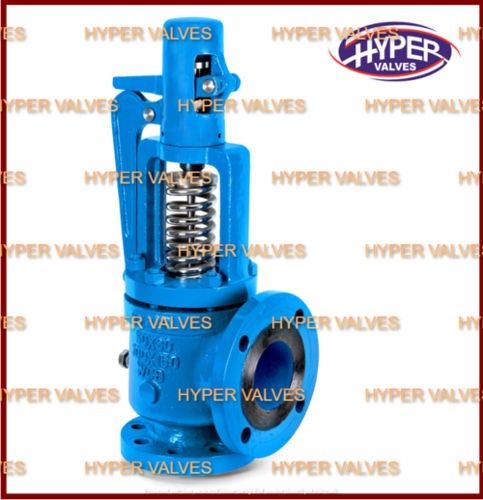
About Close Bonnet Safety Relief Valve
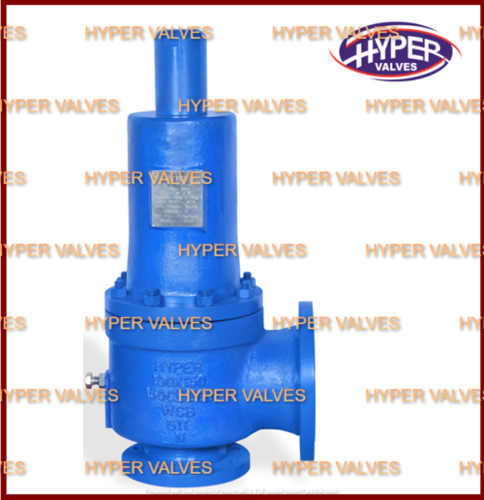
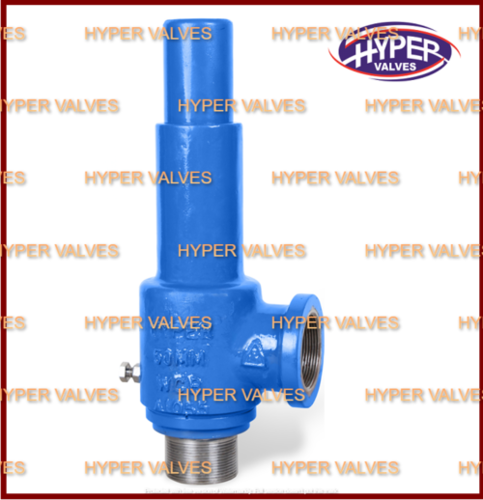
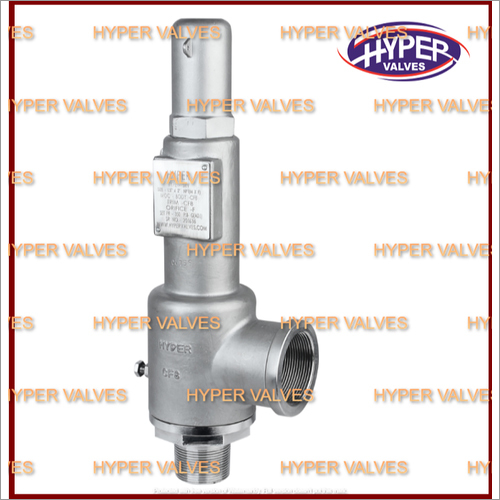
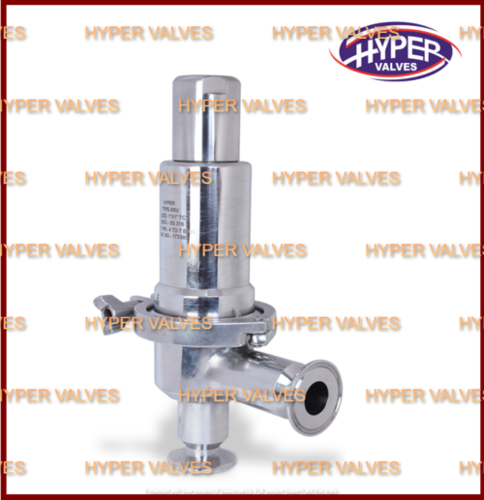
Close Bonnet Safety Relief Valve
- Type - Spring loaded, Angle pattern
- Size - 1/2" to 16"
- Pressure - 150#, 300#,600#, 900#
- MOC - CS, SS304, SS316 (As per application)
- Orifice - AS per API
- Over pressure - AS per API
- Blowdown Pressure - As per API
- End connection - Screwed end, Flange end, Socket weld,
- Bonnet type - Close bonnet, Open bonnet
- Lever operated ( optional)
- IBR Approved
Engineered for Versatility and ReliabilityOur Close Bonnet Safety Relief Valves are suitable for a broad spectrum of operating conditions, accommodating varied pressures, temperatures, and media types. Featuring a spring-loaded mechanism with metal-to-metal sealing, they deliver consistent performance even under demanding industrial environments.
Compliance with Global StandardsBuilt to meet API specifications, these valves are trusted for their quality and compatibility across numerous applications. The careful manufacturing process ensures strict adherence to safety and operational standards, providing dependable pressure relief solutions for critical process systems worldwide.
FAQ's of Close Bonnet Safety Relief Valve:
Q: How does the Close Bonnet Safety Relief Valve operate in different temperature ranges?
A: The valve is engineered to function reliably across a wide temperature span, from -196C to 500C. Its metal-to-metal sealing and robust design ensure consistent pressure relief under both cryogenic and high-temperature conditions, making it suitable for diverse industrial processes.
Q: What types of media can be handled by this safety relief valve?
A: This valve is suitable for air, gas, and liquid service. Its construction and materials allow safe and reliable operation with a variety of fluids, making it versatile for multiple applications in industries such as chemicals, oil & gas, and manufacturing.
Q: When should a Close Bonnet Safety Relief Valve be installed in a system?
A: A safety relief valve should be installed when system overpressure protection is required to safeguard equipment and personnel. This is typically mandated when dealing with pressurized vessels, pipelines, or processes that operate under medium pressure conditions.
Q: Where is this valve commonly applied or installed?
A: These valves are commonly used in industrial setups such as chemical plants, refineries, power generation facilities, and any applications requiring adherence to strict safety standards for air, gas, or liquid handling.
Q: What is the process for selecting the correct valve size and specification?
A: Selection is based on factors such as inlet port size (as per API standards), required set pressure, temperature range, media characteristics, and installation parameters. Consulting with the manufacturer or supplier ensures optimal sizing and compatibility for your specific application.
Q: How does the angle structure of the valve enhance its performance?
A: The angle structure facilitates efficient flow and pressure relief with minimal resistance. This design feature helps reduce pressure drop, improve discharge characteristics, and allows easy integration into both vertical and horizontal piping systems.
Q: What are the key benefits of using a Close Bonnet Safety Relief Valve from this exporter in India?
A: Key benefits include high reliability, compliance with international standards, versatility for multiple media types, robust temperature endurance, and direct technical support from a leading manufacturer and exporter. These factors contribute to enhanced system safety and operational efficiency.






 Send Inquiry

 Send Inquiry


 Send Inquiry
 Send SMS
 English
 Spanish
 French
 German
 Italian
 Chinese (Simplified)
 Japanese
 Korean
 Arabic
 Portuguese