About Flange End Safety Valve
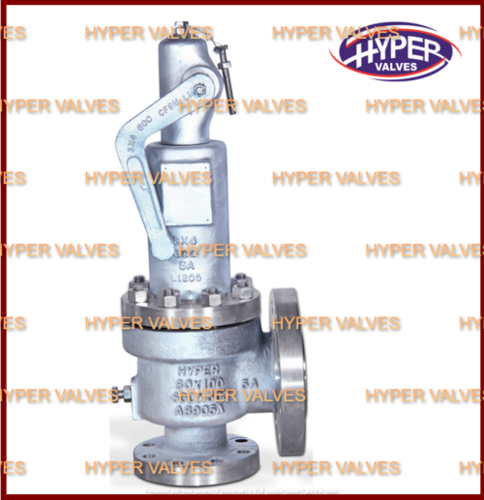
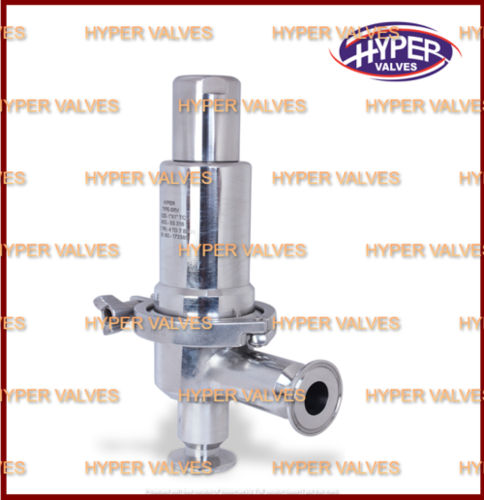
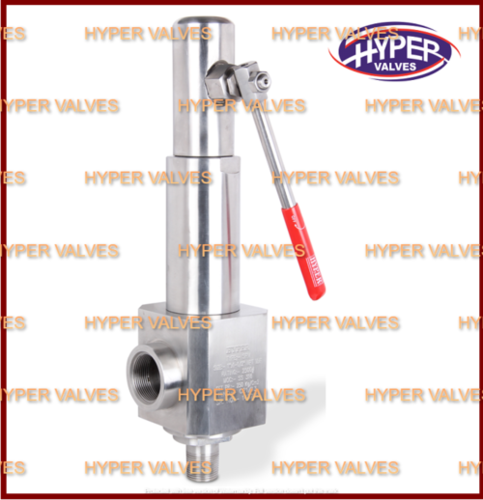
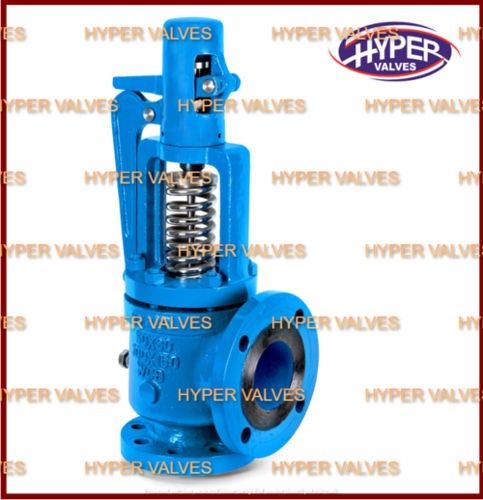
Flange End Safety Valve
- Type - Spring loaded, Angle pattern
- Size - 1/2" to 16"
- Pressure - 150#, 300#,600#, 900#, 1500#, 2500#
- MOC - CS, SS304, SS316 (As per application)
- Orifice - AS per API
- Over pressure - AS per API
- Blowdown Pressure - As per API
- End connection - Screwed end, Flange end, Socket weld,
- Bonnet type - Close bonnet, Open bonnet
- Lever operated ( optional)
- IBR Approved
Versatile Protection Across MediaEngineered for flexible use, this flange end safety valve is capable of protecting systems handling air, gas, or liquids. Its adaptability stems from its robust spring-loaded mechanism and angle structure, which ensure consistent performance for diverse industrial environments.
Tailored for Extreme ConditionsWith a temperature range spanning -196C to 500C and medium pressure handling, the valve is ideal for challenging applications. The metal-to-metal seal enhances longevity and reliability even under frequent thermal cycling or demanding service conditions.
FAQ's of Flange End Safety Valve:
Q: How does the metal-to-metal sealing benefit safety valve performance?
A: The metal-to-metal sealing offers superior resistance to wear, corrosion, and thermal expansion, ensuring a leak-tight seal under extreme temperatures and extending valve service life.
Q: What is the process for selecting the appropriate port size?
A: Port sizes are provided as per API standards, ranging from 1/2" to 16", allowing engineers to select the most suitable dimension based on the application's flow rate and system specifications.
Q: When should a spring-loaded angle structure valve be used?
A: A spring-loaded angle structure is best used in medium pressure systems where rapid pressure relief and space-saving installation are priorities, especially in pipelines carrying air, gas, or liquids.
Q: Where are these safety valves typically installed?
A: These valves are commonly installed wherever system overpressure protection is required, such as in chemical plants, refineries, thermal processing units, and pressurized gas or liquid distribution lines.
Q: What steps should be taken during installation?
A: Proper alignment with flanged connections, torque-compliant fastening, and adherence to manufacturer guidelines are essential to ensure optimal sealing, functional reliability, and safety compliance.
Q: How does exporting from India benefit customers globally?
A: Exporting from India allows customers to access quality-engineered valves at competitive prices, benefitting from a reputable manufacturing base and streamlined international logistics.






 Send Inquiry

 Send Inquiry


 Send Inquiry
 Send SMS
 Call Me Free
 English
 Spanish
 French
 German
 Italian
 Chinese (Simplified)
 Japanese
 Korean
 Arabic
 Portuguese