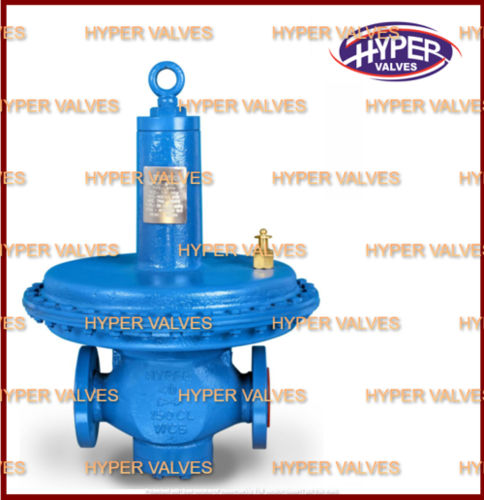
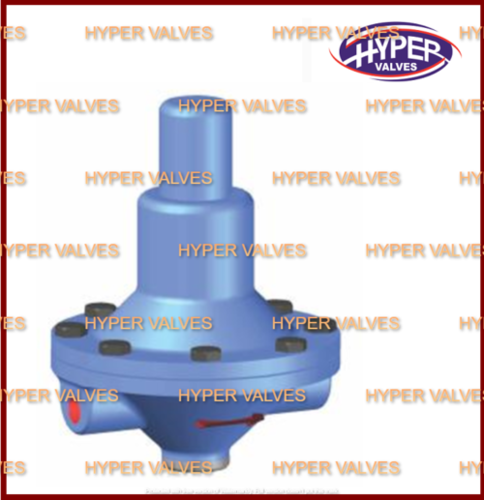
About Tank Blanketing Pressure Reducing Valves
Nitrogen Blanketing Pressure reducing Valves
- Spring loaded, Direct Acting & Diaphragm sensing
- Size - 1/2" to 2"
- Pressure rating - 150#
- End connection - Flange end
- Operating temp. - Up to 70 Deg. C
- Application - Air & Gas
- Inlet Pressure - 2 / 3 / 5 / 10 Kg/cm2
- Outlet Pressure - 100 mmwc / 10 mbar
- MOC - WCB, CF8, CF8M (As per application)
Efficient Pressure Control for Tank BlanketingDesigned specifically for tank blanketing in gas applications, these self-actuated pressure reducing valves ensure optimal and stable internal pressure within storage tanks. Their full bore structure and soft-seated design deliver both robustness and leak-tight performance, minimizing product loss and entry of contaminants. Our valves help maintain product integrity and safety across diverse industries.
Versatile Applications and Easy IntegrationAvailable in sizes from 1" to 12", these valves integrate seamlessly into existing gas and air handling systems. Operating at medium pressure with a maximum working temperature of 70C, they deliver reliable performance for varied industrial processes such as chemical storage, petrochemical handling, and food processing tank protection.
FAQ's of Tank Blanketing Pressure Reducing Valves:
Q: How do self-actuated tank blanketing pressure reducing valves function in gas applications?
A: Self-actuated tank blanketing pressure reducing valves automatically regulate the inlet pressure to a predetermined safe value, protecting storage tanks from external atmospheric conditions. In gas applications, the valve maintains a consistent blanket of gas above the stored product, preventing contact with air and reducing the risk of oxidation or contamination.
Q: What are the key benefits of using soft-seated, full bore pressure reducing valves for AIR & GAS systems?
A: Soft-seated, full bore valves offer tight shut-off capabilities, reducing leakage and product loss. Their design supports higher flow rates and minimizes pressure drop, ensuring efficient protection against unwanted atmospheric ingress while preserving tank contents. The soft-seated sealing also helps prolong the valve's lifespan and lowers maintenance requirements.
Q: When is it advisable to install a tank blanketing pressure reducing valve in a storage system?
A: It is recommended to install these valves whenever you store chemicals, fuels, or sensitive products that require a protective gas atmosphere. Installing the valve during the initial setup or when upgrading existing pressure protection systems ensures ongoing safety and compliance with industry standards.
Q: Where can your tank blanketing pressure reducing valves be applied?
A: Our valves are suitable for various applications including chemical processing plants, food and beverage storage, petrochemical tanks, pharmaceutical vessels, and any facility that requires controlled tank pressurization with air or inert gases.
Q: What is the installation process for these medium pressure, self-actuated valves?
A: The installation involves mounting the valve onto the appropriate size tank inlet (1" to 12"), connecting it to the gas supply line, and calibrating the set point to the required pressure. Detailed instructions are provided to ensure leak-tight fitting and compatibility with soft-seated, full bore designs.
Q: How does the temperature and sealing feature impact the valve's performance?
A: With a soft-seated seal and a maximum operating temperature of 70C, the valve ensures reliable operation in moderate temperature environments. The sealing material provides an excellent barrier against leakage, contributing to operational safety and long-term durability.
Q: What advantages does sourcing these valves from an Indian exporter, manufacturer, and supplier provide?
A: Partnering with an Indian manufacturer ensures access to competitively priced, high-quality valves, local technical support, and timely global delivery. Our expertise and compliance with international standards guarantee dependable products for diverse industrial needs.






 Send Inquiry

 Send Inquiry


 Send Inquiry
 Send SMS
 English
 Spanish
 French
 German
 Italian
 Chinese (Simplified)
 Japanese
 Korean
 Arabic
 Portuguese