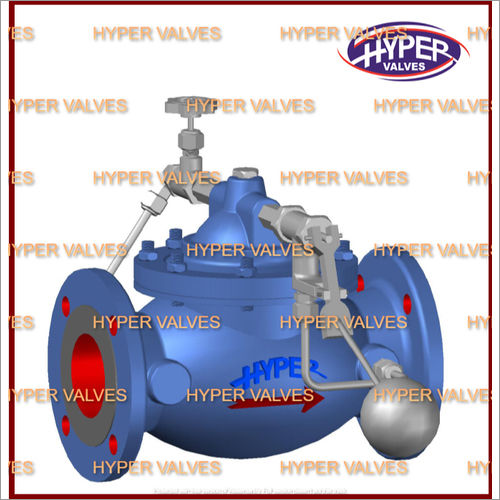
About Water Level Float Valve
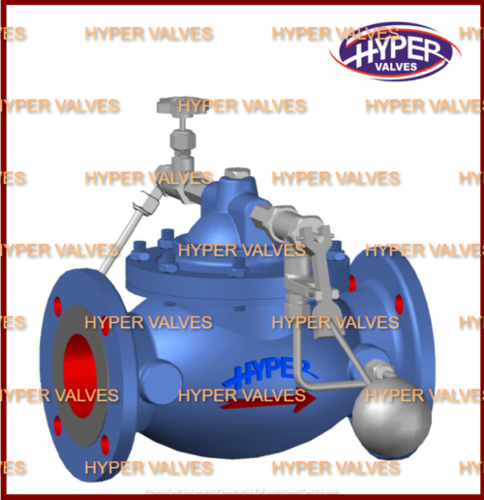
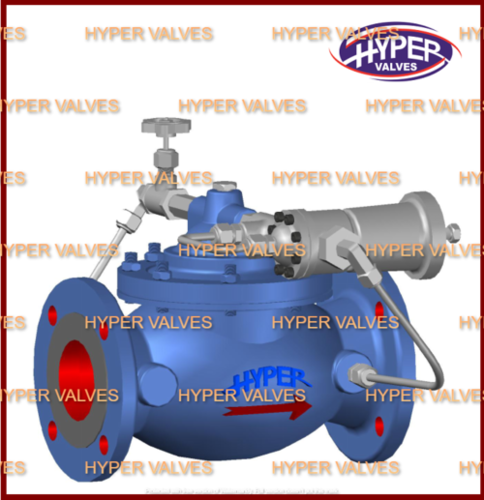
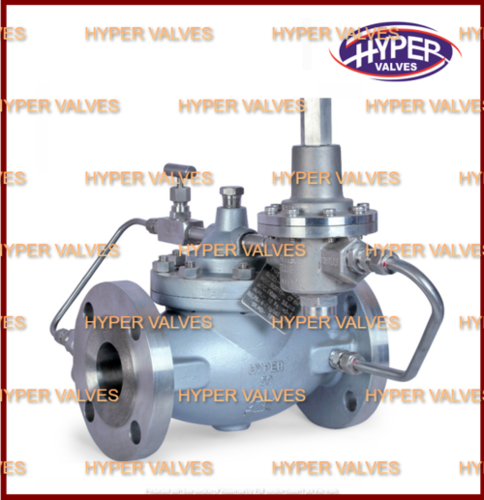
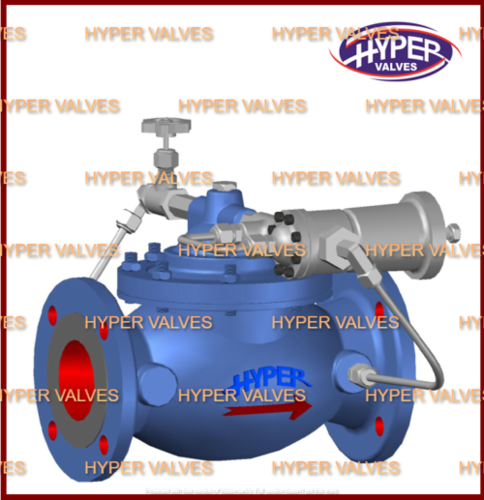
Water Level Float Valve
- Design - Globe type, Pilot operated
- Valve Size - 1" to 12"
- Pressure class - 150#, 300#
- MOC - DI, WCB, CF8, CF8M (As per Application)
- Application - Air, Gas, Liquid,
- End connection - Flange end
- Pressure - Max. 15 Kg/cm2
Versatile Water Flow ControlThis float valve offers efficient and accurate control over water levels in tanks, reservoirs, and pipelines. Its medium-pressure capacity and full bore design ensure high flow rates without compromising on precision or safety.
Durable Construction and Secure SealingManufactured with superior materials, the valve's soft-seated sealing and flange connection prevent leaks and withstand continuous water exposure. The robust design is tailored for normal temperature media and available in a variety of sizes to meet diverse installation needs.
Wide Application RangeIdeal for both industrial and municipal water management, this float valve supports applications ranging from storage tanks to water distribution systems. Its adaptability and low-maintenance structure make it a preferred choice for water professionals across India and abroad.
FAQ's of Water Level Float Valve:
Q: How does a water level float valve control water flow in tanks or pipelines?
A: The float valve uses a buoyant float mechanism that rises or falls with the water level. As the water level changes, the float actuates the valve, automatically opening or closing it to maintain the desired water level without manual intervention.
Q: What are the primary applications for this medium pressure float valve?
A: This valve is designed for use with water in applications such as storage tanks, industrial process systems, municipal distribution lines, and irrigation networks, especially where precise water level management is essential.
Q: When should I choose a full bore float valve with a flange-type connection?
A: A full bore, flange-type float valve is ideal when you require minimal flow restriction and need to ensure leak-proof, secure connections. It is particularly suitable for larger pipe sizes or when regular maintenance and high reliability are crucial.
Q: Where can I install this float valve, and what are the installation requirements?
A: This valve can be installed in any water system that uses medium pressure and handles normal temperature water, such as overhead tanks, sumps, or reservoirs. Installation requires compatible flanged pipework and sufficient space to accommodate the float mechanism's movement.
Q: What is the process for maintaining a soft seated water level float valve?
A: Routine maintenance involves checking for debris or buildup on the float and seat, ensuring the movement is unobstructed, and inspecting the soft seat for wear or damage. This helps maintain optimal sealing and extends the valve's service life.
Q: How does the float valve benefit water management systems?
A: The automatic operation of the float valve optimizes water usage, prevents overflows, minimizes manual intervention, and reduces potential water wastage, making water management more efficient and reliable.






 Send Inquiry

 Send Inquiry


 Send Inquiry
 Send SMS
 Call Me Free
 English
 Spanish
 French
 German
 Italian
 Chinese (Simplified)
 Japanese
 Korean
 Arabic
 Portuguese